Discovering a roof leak is stressful — especially during Raleigh’s rainy fall and winter months. Whether the leak shows up as a water stain on your ceiling or an active drip during a storm, taking the right steps quickly can prevent costly structural damage, mold growth, and insulation issues.
If you suspect your roof is leaking, here’s exactly what to do — and what not to do — to protect your home and your investment.
Step 1: Minimize Interior Damage Immediately
As soon as you notice a leak, your priority should be protecting the inside of your home.
What to do right away:
- Place a bucket or container under the drip to catch water
- Move furniture, rugs, and valuables out of the affected area
- If water is pooling in the ceiling, use a small screwdriver to gently release pressure and allow water to drain into a bucket (this helps prevent ceiling collapse)
- If the leak is near electrical fixtures, turn off power to that area and avoid touching outlets or light switches.
Step 2: Document the Damage
Once the immediate issue is under control, take photos and videos of:
- Water stains or ceiling damage
- Active leaks or dripping water
- Wet insulation or attic areas (if safely accessible)
This documentation can be useful if you file an insurance claim or need to show when the damage occurred.
Step 3: Inspect the Attic (If Safe)
If you can safely access your attic during daylight hours, look for:
- Wet insulation
- Dark water trails along rafters
- Mold or mildew smells
- Light coming through the roof deck
The source of the leak is often higher than where water appears inside the home, so attic clues are extremely helpful.
Step 4: Avoid Common Mistakes
Many homeowners unintentionally make roof leaks worse. Avoid these common errors:
❌ Don’t climb onto the roof during wet or windy conditions
Slippery shingles and unstable footing are dangerous.
❌ Don’t apply caulk or tar as a “permanent fix”
Temporary patching often traps moisture and leads to more damage.
❌ Don’t ignore small leaks
Even slow leaks can rot decking, ruin insulation, and lead to mold growth — especially in Raleigh’s humid climate.
Step 5: Understand Common Causes of Roof Leaks in Raleigh
In the Triangle area, roof leaks often result from:
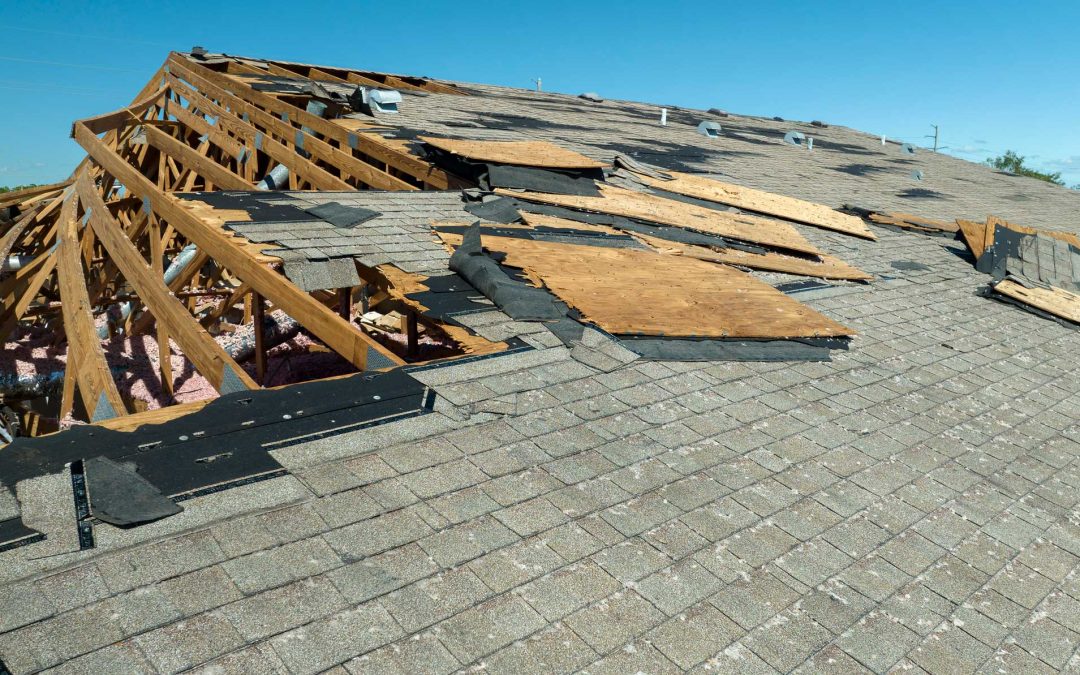
- Damaged or missing shingles after storms
- Failed flashing around chimneys, vents, or skylights
- Clogged gutters causing water backup
- Aging shingles losing granules
- Poor attic ventilation leading to condensation
A professional inspection can pinpoint the exact cause — which is critical for a proper repair.
Step 6: Call a Trusted Local Roofing Professional
Roof leaks rarely fix themselves. The sooner you call a professional, the easier (and more affordable) the repair typically is.
Wilson & Sons Roofing has been serving Raleigh homeowners since 1996, offering:
- Thorough roof inspections
- Honest repair recommendations
- No-deposit estimates
- Work backed by strong warranties
With nearly 30 years of local experience, they understand how Raleigh’s seasonal weather impacts roofing systems — and how to fix leaks the right way.
Step 7: Prevent Future Roof Leaks
After repairs are complete, preventive maintenance can help avoid future problems:
- Schedule annual roof inspections
- Clean gutters at least twice a year
- Trim overhanging branches
- Ensure proper attic ventilation and insulation
Preventive care extends the life of your roof and helps you avoid emergency repairs during peak storm seasons.
Conclusion
A leaky roof doesn’t have to turn into a disaster. Acting quickly, avoiding temporary fixes, and calling a trusted local roofer can protect your home from serious damage.
If you suspect a leak or notice water damage, contact Wilson & Sons Roofing for a professional evaluation and peace of mind — before a small issue becomes a major repair.