Shingle replacement cost in Raleigh, NC depends on five main factors: the size of your roof, its pitch, the shingle grade you choose, the condition of the decking underneath, and when you schedule the work. No two roofs price out the same, but understanding what moves the number helps you have a sharper conversation with any contractor you call.
What Factors Drive Shingle Replacement Cost in Raleigh, NC?
Roofing prices aren’t random. Each factor below adds or subtracts from the final number in a predictable way. Walk through them before you request a quote and you’ll know what questions to ask.
Square Footage and Roof Complexity
Square footage is the biggest driver. Roofers measure in “squares,” where one square equals 100 square feet of roof surface. A simple 20-square ranch roof takes less labor and fewer materials than a 30-square two-story with multiple valleys and dormers. Valleys are the V-shaped channels where two roof slopes meet; they require extra flashing (thin metal strips that seal joints against water) and careful cutting, so they add time.
Hip roofs, which slope on all four sides, have more edges and angles than a simple gable roof. More angles mean more cuts, more waste, and more labor hours. A contractor counts every slope, every valley, and every penetration (chimneys, vents, skylights) before quoting.
Roof Pitch
Pitch is the steepness of your roof, expressed as inches of rise per 12 inches of horizontal run. A 4/12 pitch (4 inches up for every 12 inches across) is a walkable slope. A 10/12 pitch is steep enough that workers need safety harnesses and move more slowly.
Steep roofs take longer to work on safely, so labor costs climb. The National Roofing Contractors Association notes that pitch directly affects both labor hours and safety equipment needs. If your home has a steep roof, expect the per-square price to be higher than the base industry range.
Shingle Grade and Material Choice
Three-tab shingles are the thinnest and least expensive option, a single flat layer with cutouts that give the appearance of three separate pieces. Architectural shingles (also called dimensional or laminate shingles) are thicker, with a layered look that adds depth and durability. Premium shingles, like impact-resistant or designer lines from CertainTeed or GAF, sit at the top of the range.
Upgrading from three-tab to architectural shingles adds material cost but typically extends the roof’s life. The Insurance Institute for Business and Home Safety has tested impact-resistant shingles and found they can hold up better in hail events, which is worth considering in central North Carolina where spring storms bring hail regularly.
If you’re curious why granules on shingles matter so much to longevity, our post on the importance of shingle granules explains how they shield the asphalt layer from UV damage.
Decking Condition
Decking is the layer of wooden boards (usually OSB or plywood) nailed to the rafters that the shingles sit on. When a crew tears off old shingles, they check every sheet of decking for soft spots, rot, or water damage. Damaged decking has to be replaced before new shingles go down.
You can’t know how much decking needs replacing until the old roof comes off. A reputable contractor will give you a per-sheet price upfront so there are no surprises. On older Raleigh homes, especially those built in the 1970s and 1980s, some decking replacement is common.
Underlayment and Accessories
Underlayment is a water-resistant felt or synthetic sheet that goes between the decking and the shingles. It’s a second line of defense if water ever gets under the shingles. Synthetic underlayments cost more than traditional felt but resist tearing during installation and handle moisture better in humid summers.
Ice-and-water shield is a self-adhering membrane applied at the eaves (the lower edge of the roof) and in valleys. North Carolina’s building code requires it in certain locations, and most contractors install it at all vulnerable spots regardless. These accessories add to material cost but protect the decking from the most likely water entry points.
How Timing Affects What You Pay
Material prices for shingles and lumber aren’t fixed. They shift with manufacturing costs, fuel prices, and supply chain conditions. Spring and fall tend to bring price movement, partly because demand spikes after storm seasons and partly because manufacturers often adjust pricing at those intervals.
Scheduling in late winter or midsummer, when demand is lower, can sometimes mean a shorter wait for a crew. It won’t always translate to a lower price, but availability is usually better. The National Weather Service tracks the storm patterns that drive post-storm demand surges, and Raleigh typically sees its heaviest hail and wind activity in April through June.
For a broader look at North Carolina roofing costs across different regions of the state, our post on what a new roof costs in North Carolina covers the statewide picture. This post focuses on the Raleigh-specific factors that move the number locally.
What the Removal and Disposal Process Adds
Tearing off old shingles costs money and that cost belongs in your quote. Some contractors layer new shingles over old ones (called a “re-roof” or “overlay”) to avoid tear-off costs. North Carolina’s building code generally limits roofs to two layers of shingles. If your home already has two layers, a full tear-off is required.
A full tear-off is the better long-term option even when only one layer exists. It lets the crew inspect every inch of decking, start with clean underlayment, and ensure the new shingles lie flat. Any quote you receive should state clearly whether it includes tear-off and disposal or just the new installation.
Permits and Inspection
Wake County requires a permit for roof replacement. The permit fee varies by project size, but it’s a real cost that belongs in your contractor’s quote, not a surprise added later. After the work is done, a county inspector checks that the installation meets code. A contractor who pulls permits and passes inspections is protecting you, not adding a line item for its own sake.
You can verify contractor licensing through the NC Licensing Board for General Contractors. Working with a licensed contractor is required for permitted work, and it also means you have a path to recourse if something goes wrong.
What You Can Check From the Ground Before You Call
You don’t need to get on the roof to gather useful information. Here’s what you can check safely:
- Missing or curling shingles. Stand in your yard and look along each slope. Shingles that are lifting at the edges or visibly absent are easy to spot.
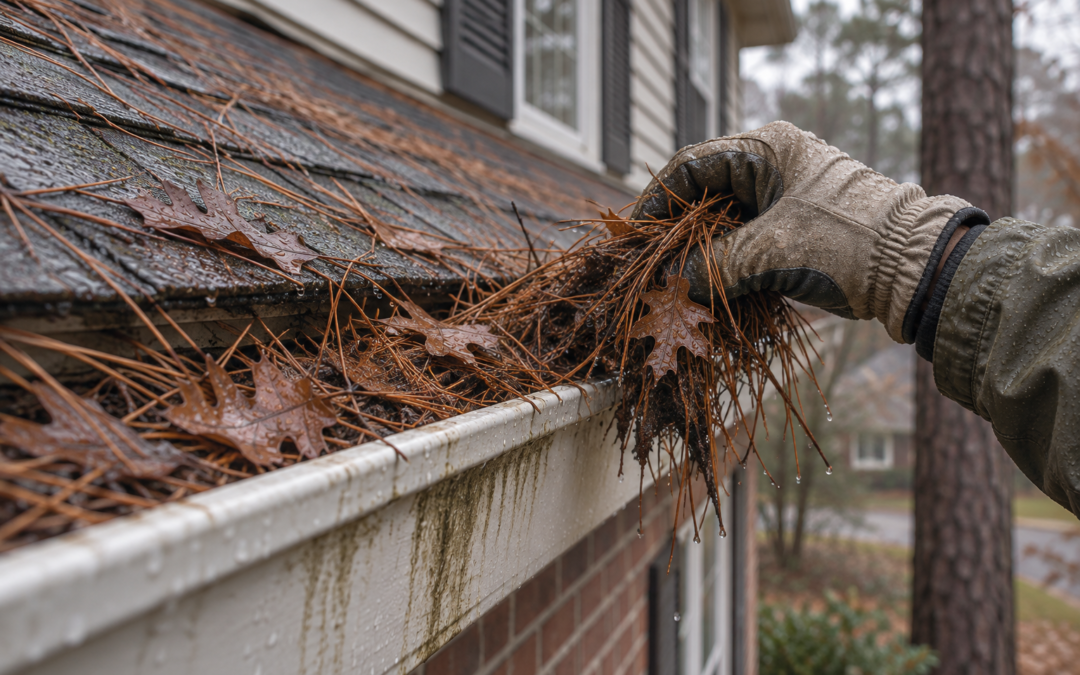
- Granules in the gutters. After a rain, look at what washes out of your downspouts. Granules look like coarse sand. Heavy granule loss means the shingles are aging.
- Sagging sections. A healthy roof line is straight. Any visible dip or wave along a ridge or slope is worth having a professional look at.
- Moss or algae streaks. Dark streaking on the roof surface often means algae growth, which holds moisture against the shingles over time.
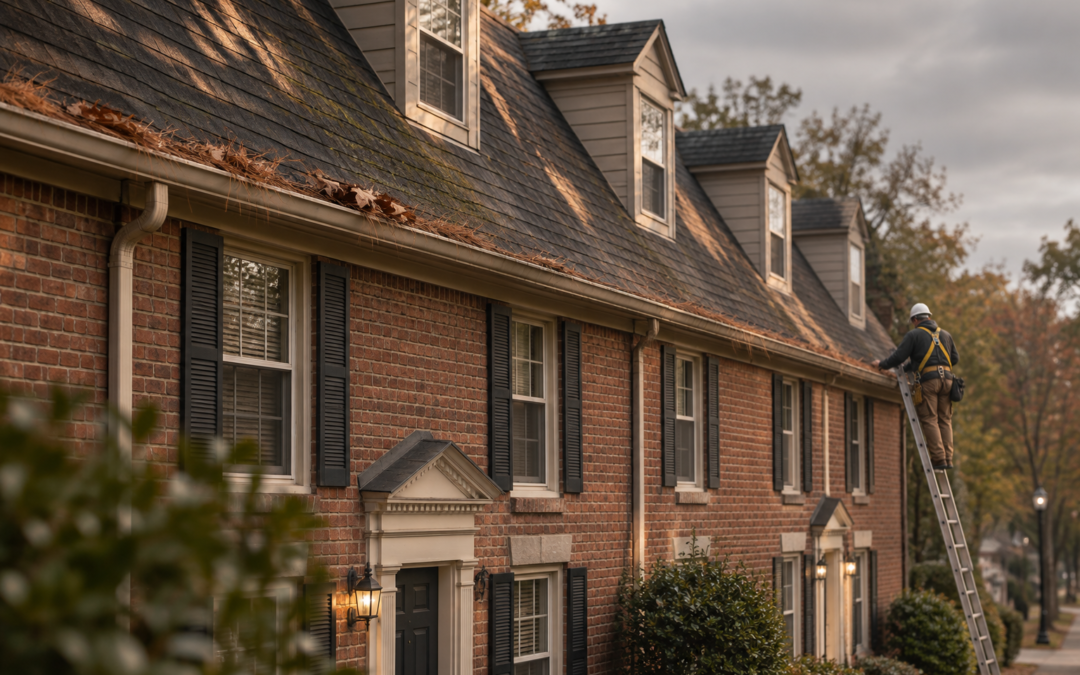
Never go onto the roof yourself, particularly if it’s wet, steep, or visibly damaged. A professional inspector has the safety equipment and training to do that work correctly. Our roof inspection page explains what a professional inspection covers.
Frequently Asked Questions
How much does shingle replacement cost in Raleigh, NC?
Industry cost trackers like HomeAdvisor report a wide range for asphalt shingle roof replacement nationally, typically between $5,700 and $16,000 or more depending on size and materials, though Raleigh-area labor and material costs land within that band. Your actual number depends on square footage, pitch, shingle grade, decking condition, and current material prices. An in-person inspection is the only reliable way to get a figure for your specific roof.
Is it cheaper to put new shingles over old ones instead of a full tear-off?
An overlay (new shingles over old) costs less upfront because it skips tear-off and disposal labor. However, it hides any decking damage underneath and adds weight to the structure. North Carolina code generally limits roofs to two layers, so if your home already has two, an overlay isn’t an option. Most contractors recommend a full tear-off so the decking can be inspected and the new roof starts on a clean surface.
How do I know if I need a full replacement or just a repair?
Repairs make sense when damage is limited to a small area and the rest of the roof has years of life left. Replacement becomes the better value when the roof is approaching 20 to 25 years old, granule loss is widespread, or multiple sections are failing. A contractor who is straight with you will tell you which applies. Wilson & Sons Roofing won’t recommend a full replacement if a repair will genuinely solve the problem.
Does roof pitch really change the price that much?
Yes, noticeably. On a low-slope or walkable roof, crews move quickly and need minimal safety equipment. On a steep roof (8/12 pitch or higher), workers use harnesses, move more carefully, and take longer. That added labor time reflects directly in the quote. Some contractors also charge more per square on steep roofs because of higher material waste from extra cuts.
Why do shingle prices change in spring and fall?
Shingle manufacturers often adjust pricing at the start of busy seasons, and material costs (petroleum for asphalt, lumber for decking) shift with broader supply and fuel markets. Post-storm demand surges also put pressure on supply. Pricing in late winter or midsummer sometimes means better crew availability, though it doesn’t guarantee a lower price.
Does Wilson & Sons Roofing serve areas outside Raleigh?
Yes. Wilson & Sons Roofing is based in Raleigh and serves homeowners throughout the Triangle, including surrounding towns. If you’re unsure whether your address falls within the service area, the easiest thing is to call or submit a contact form and ask.
Ready to understand what your Raleigh roof would actually cost?
Every roof is different, and a quick in-person look is the only way to give you a real number, not a range from the internet.
Get your quote, no cost, no hassle or call (919) 787-3253 and we’ll schedule a free inspection at a time that works for you.